
Blockwork that
carries the load
Inner leaves, foundations, garage walls and retaining walls — laid level and plumb in the block the job needs, because everything built after it is set out from this.
Dense & lightweightInner leafRetaining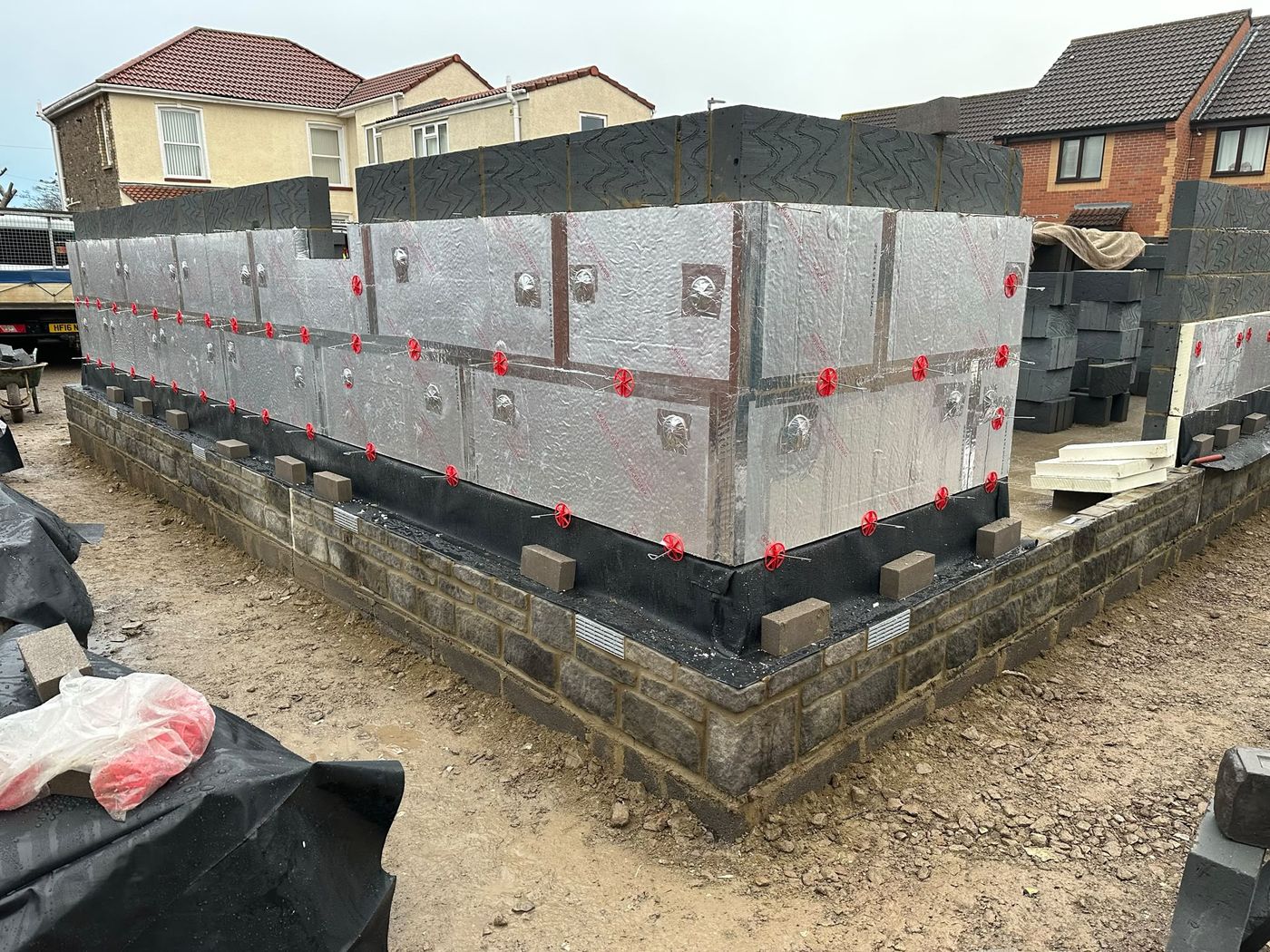
- Blocks
- 100, 140 and 215 mm
- Coursing
- 225 mm per course
- Covering
- Bristol and 40 miles
Three blocks
Picking the block before you lay it
Block is not one thing. A dense block is strong and heavy and holds no warmth; an aerated block is light and insulates and will not take the same load. Choosing on price rather than on the job is where most blockwork problems begin.
- 100 mm denseInner leaf of a cavity wall, and foundations below ground where strength matters more than warmth.
- 140 mm denseRetaining walls, and anywhere taking real load — a garage, a basement wall, a wall holding ground back.
- 215 mm aeratedA single-leaf wall in one thickness. Light enough to lay, and it insulates on its own.
Asked often
Blockwork, answered
If yours is not here, ring and ask it.
Dense or aerated — which do I need?
Dense where there is load or ground: foundations, retaining walls, a garage. Aerated where warmth matters more than strength, which is most inner leaves above damp course. A wall often uses both.
Why is blockwork 225 mm per course when brick is 75 mm?
A block is 215 mm high and the joint is 10 mm, so a block course is exactly three brick courses. That is why the two tie in at the same levels on a cavity wall.
Can you build a retaining wall in block?
Yes, in dense block, properly founded and usually reinforced and drained behind. Anything over about a metre, or holding back a drive, wants designing rather than guessing.
Does blockwork need rendering?
If it shows, yes — block is not a finish. Below ground or inside a cavity it is left as it is.
The rest of the range
Everything else he lays
Ten kinds of job, three trades.
 Brickwork
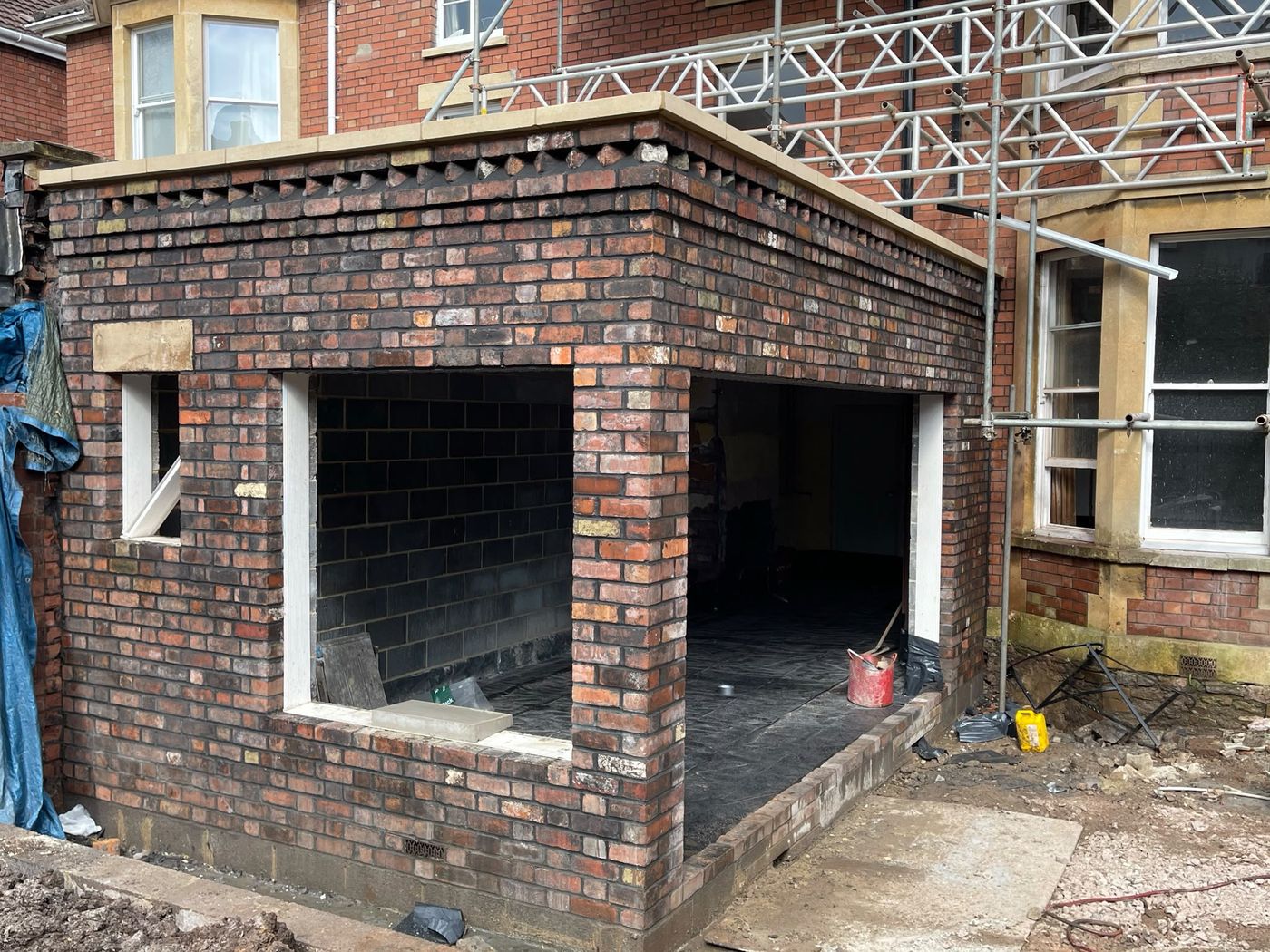
Walls, piers, arches and detail work in facing brick, laid to the bond the job calls for.
Facing brickPiers & archesAny bond
See the work →
Blockwork
Inner leaves, foundations and retaining walls in dense or lightweight block, laid level and plumb.
Dense & lightweightInner leafRetaining
You are here →
Brickwork
Walls, piers, arches and detail work in facing brick, laid to the bond the job calls for.
Facing brickPiers & archesAny bond
See the work →
Blockwork
Inner leaves, foundations and retaining walls in dense or lightweight block, laid level and plumb.
Dense & lightweightInner leafRetaining
You are here →
 Stonework
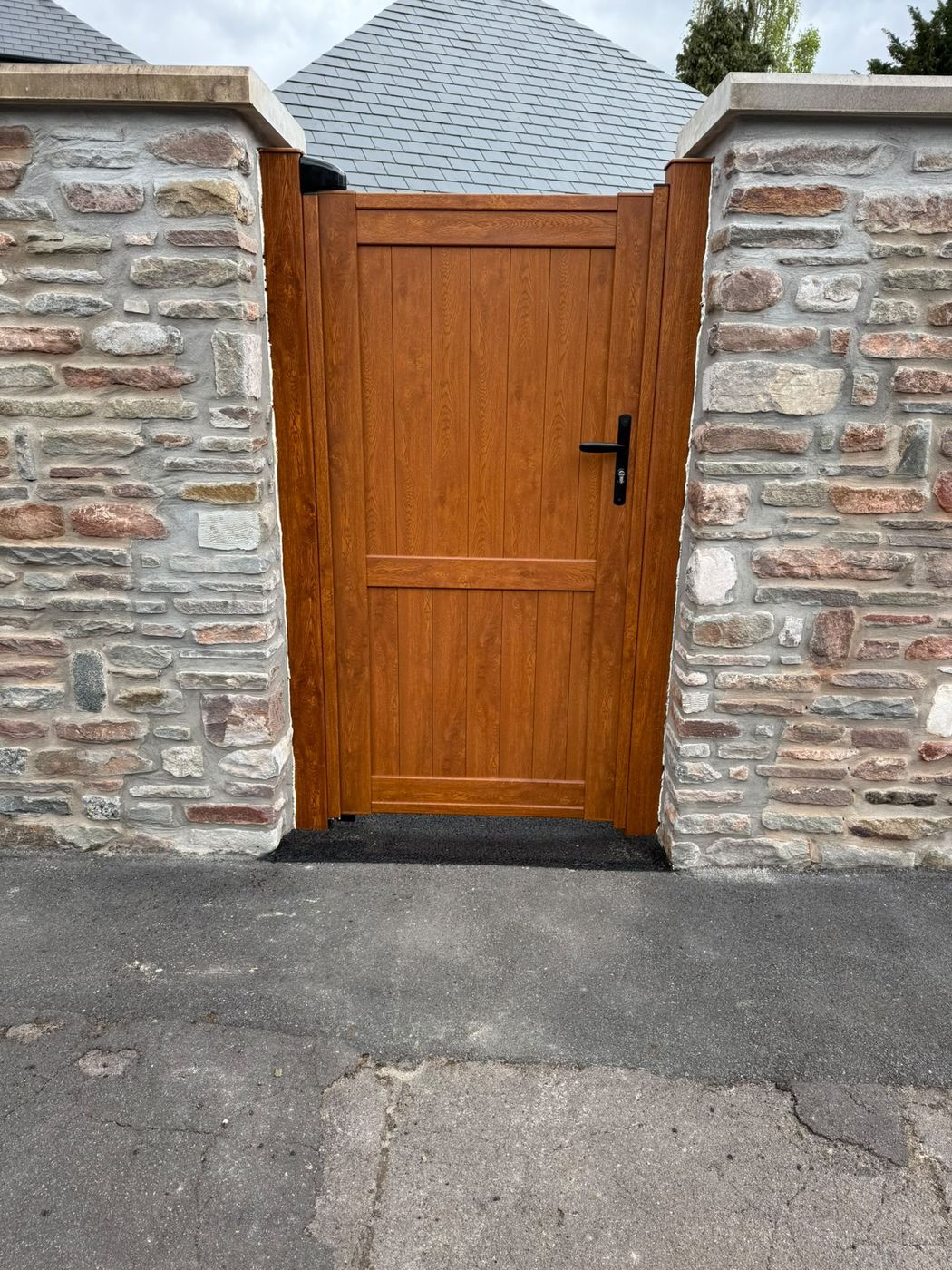
Walling, repairs and features, coursed or random — and the masonry proper: dry stone, mullions, heads and sills.
Dry stone wallingMullions, heads & sillsLime mortar
See the work →
Stonework
Walling, repairs and features, coursed or random — and the masonry proper: dry stone, mullions, heads and sills.
Dry stone wallingMullions, heads & sillsLime mortar
See the work →
 Patios & paving
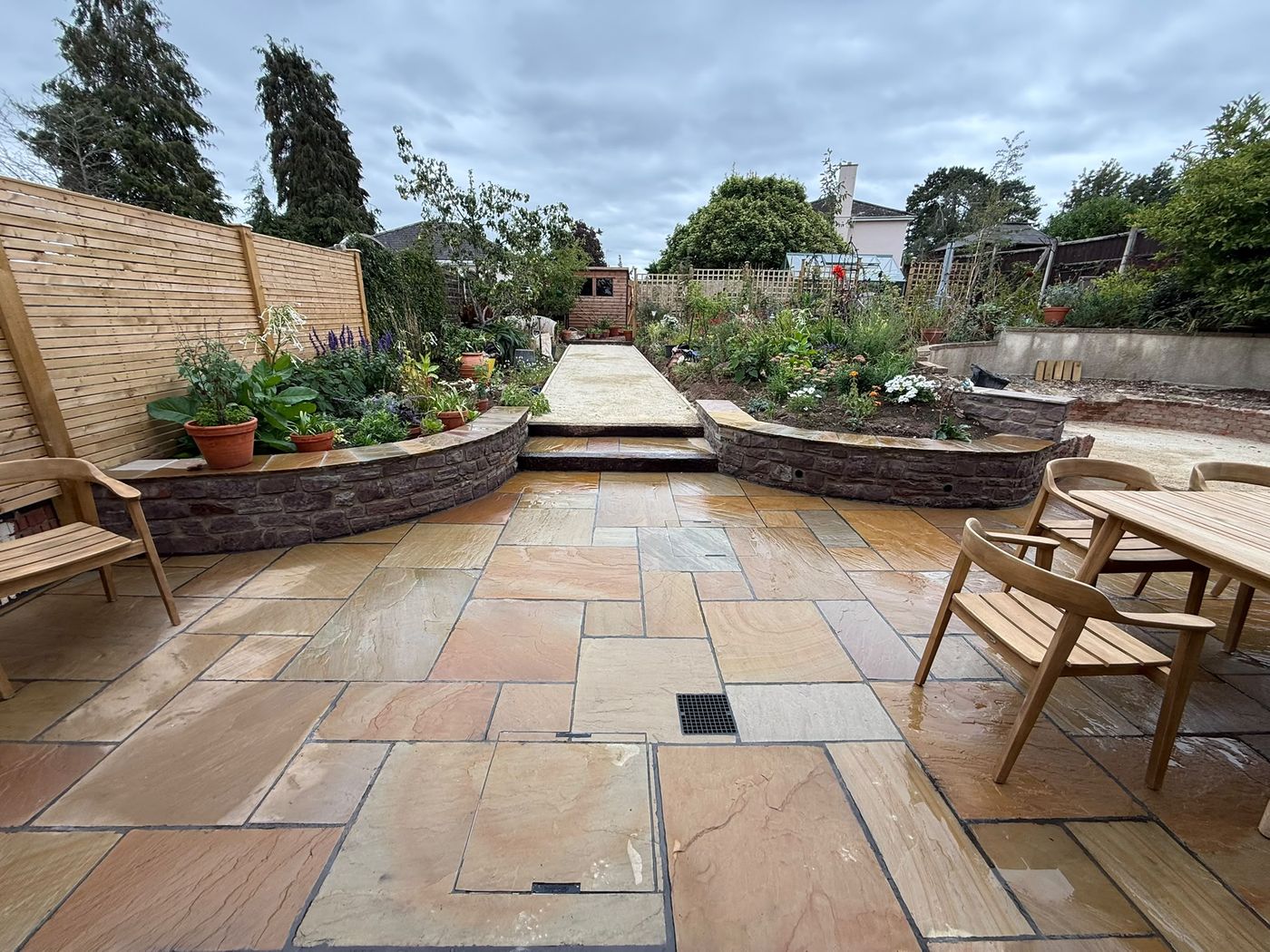
Patios, paths and edging, set out square and laid to falls so the water goes where it should.
Laid to fallsEdgingPaths & steps
See the work →
Patios & paving
Patios, paths and edging, set out square and laid to falls so the water goes where it should.
Laid to fallsEdgingPaths & steps
See the work →
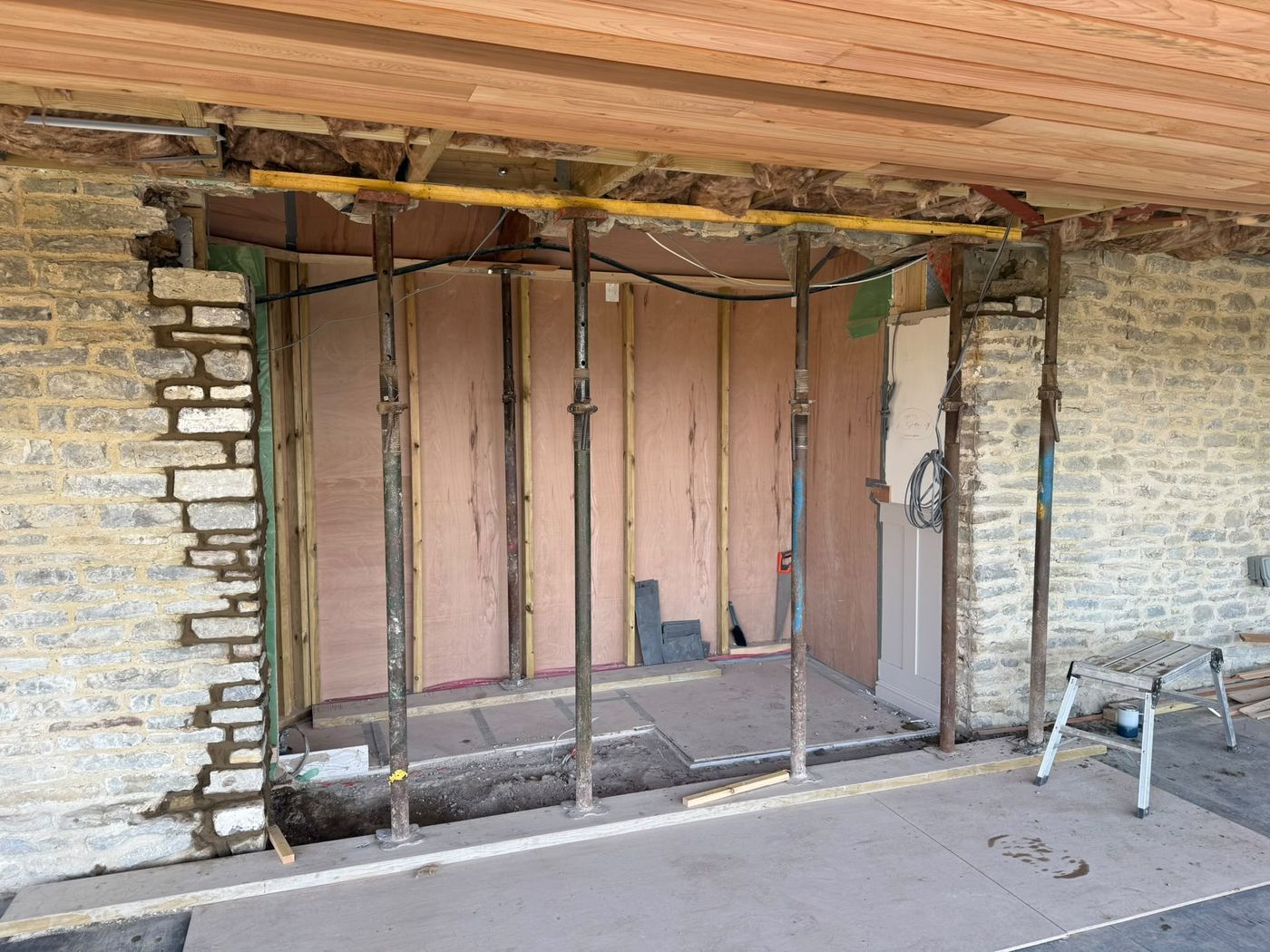 Extensions
The brick and block shell of an extension, from the footings to the wall plate.
Footings to plateCavity workLintels
See the work →
Extensions
The brick and block shell of an extension, from the footings to the wall plate.
Footings to plateCavity workLintels
See the work →
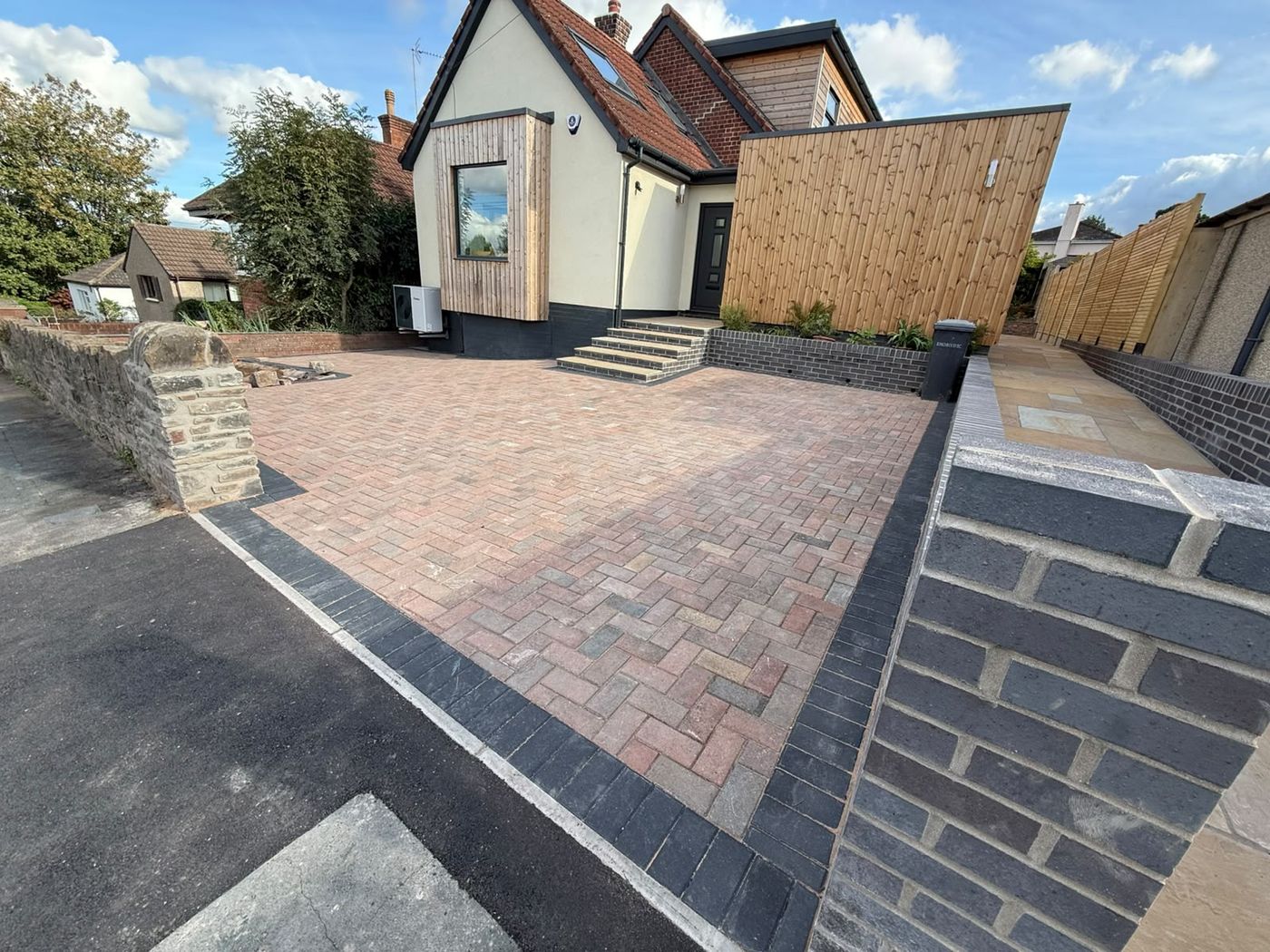 New build
Plot brickwork for builders and self-builders, by the metre or by the job.
Plot workBy the metreTo programme
See the work →
New build
Plot brickwork for builders and self-builders, by the metre or by the job.
Plot workBy the metreTo programme
See the work →
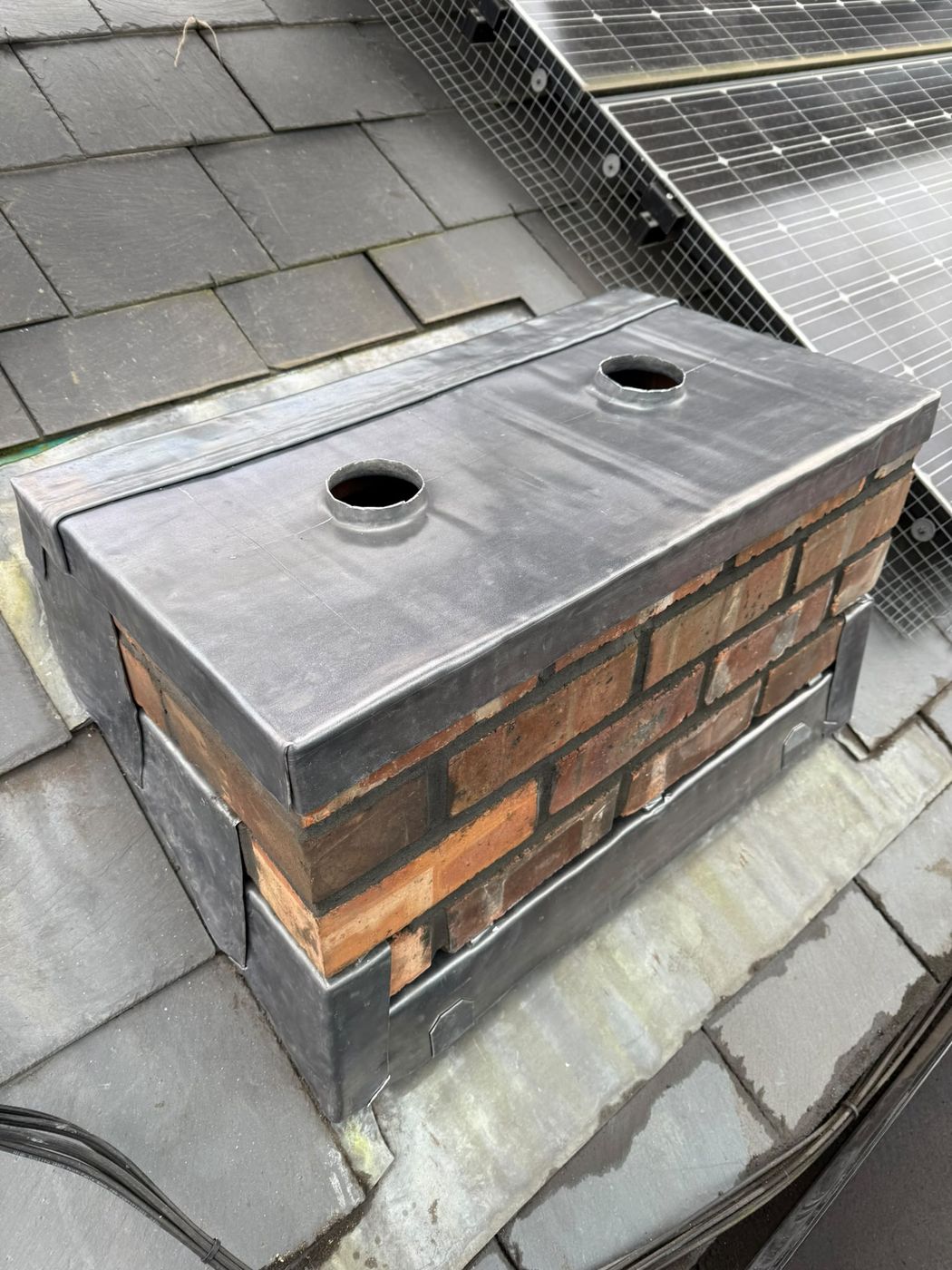 Repointing
Old joints raked out and pointed again in a mortar that suits the wall, not one that damages it.
Raked outMatched mortarLime or cement
See the work →
Repointing
Old joints raked out and pointed again in a mortar that suits the wall, not one that damages it.
Raked outMatched mortarLime or cement
See the work →
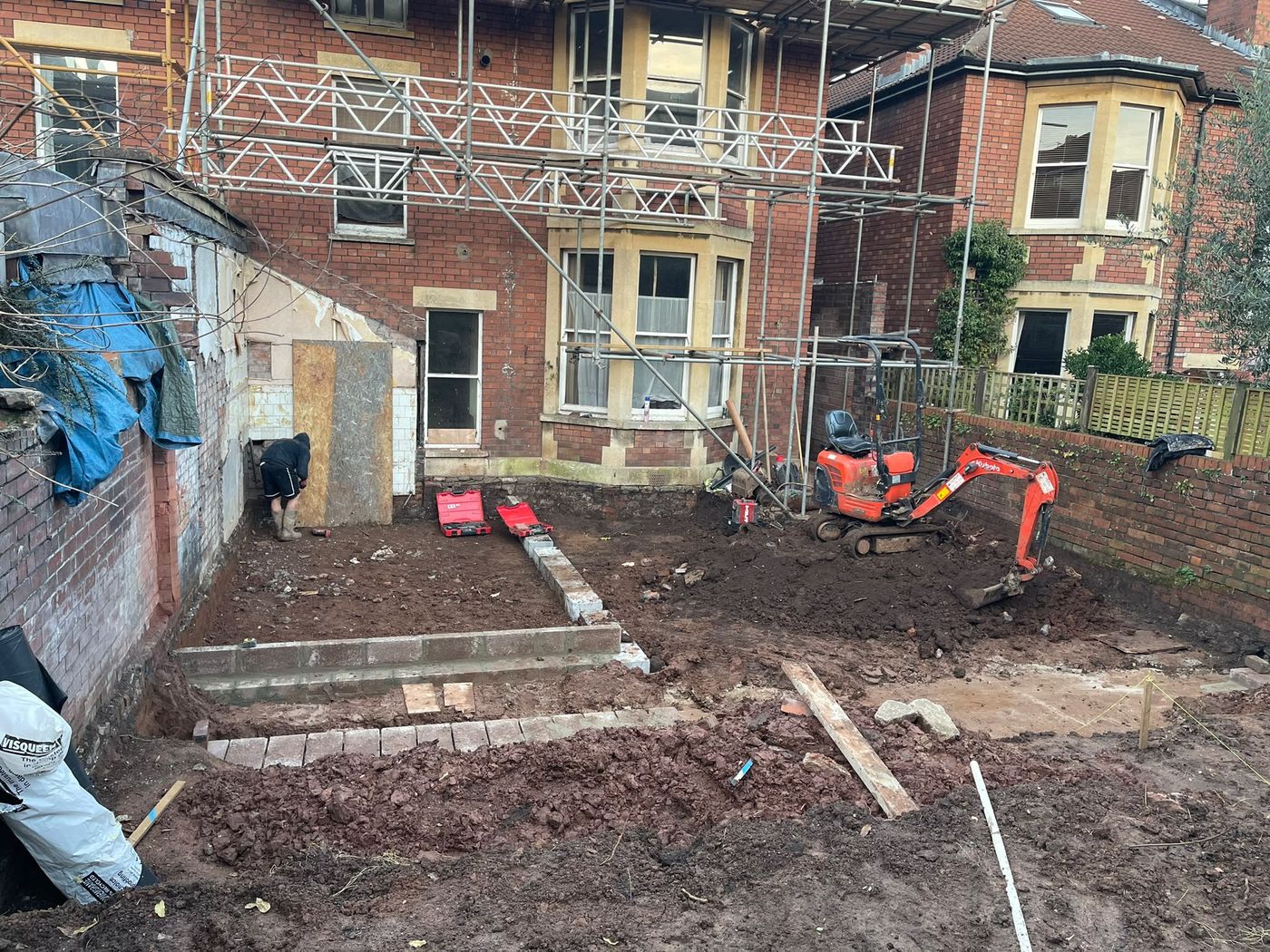 Groundworks
Digs, drainage, foundations and oversite — his own 360, telehandler and dumper, and a waste carrier licence to take it away.
360, telehandler, dumperDrainage & foundationsWaste carrier
See the work →
Groundworks
Digs, drainage, foundations and oversite — his own 360, telehandler and dumper, and a waste carrier licence to take it away.
360, telehandler, dumperDrainage & foundationsWaste carrier
See the work →
 Whole projects
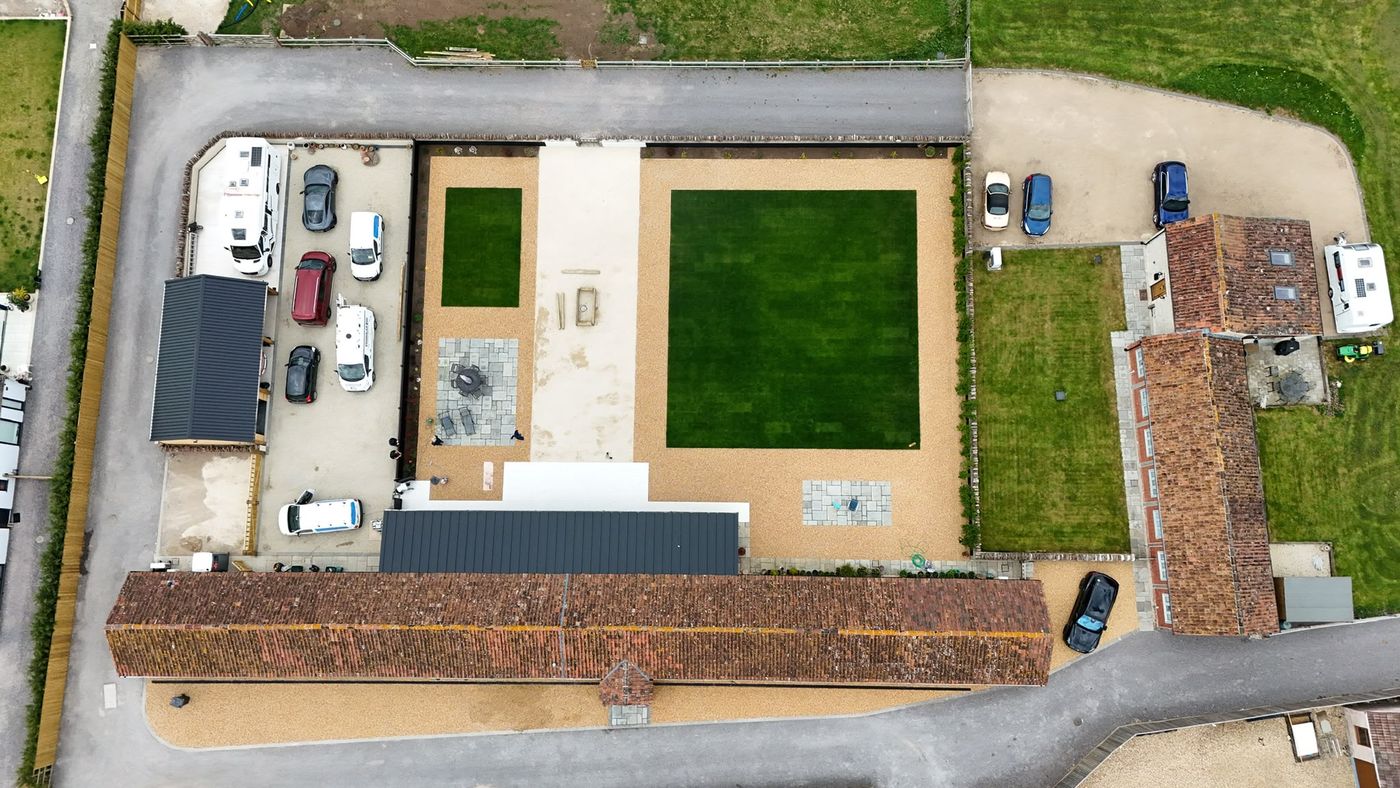
Derelict house to turnkey. Groundwork, shell, trades booked and run, keys handed back.
Derelict to turnkeyTrades booked and runOne person to ring
See the work →
Whole projects
Derelict house to turnkey. Groundwork, shell, trades booked and run, keys handed back.
Derelict to turnkeyTrades booked and runOne person to ring
See the work →
 Commercial
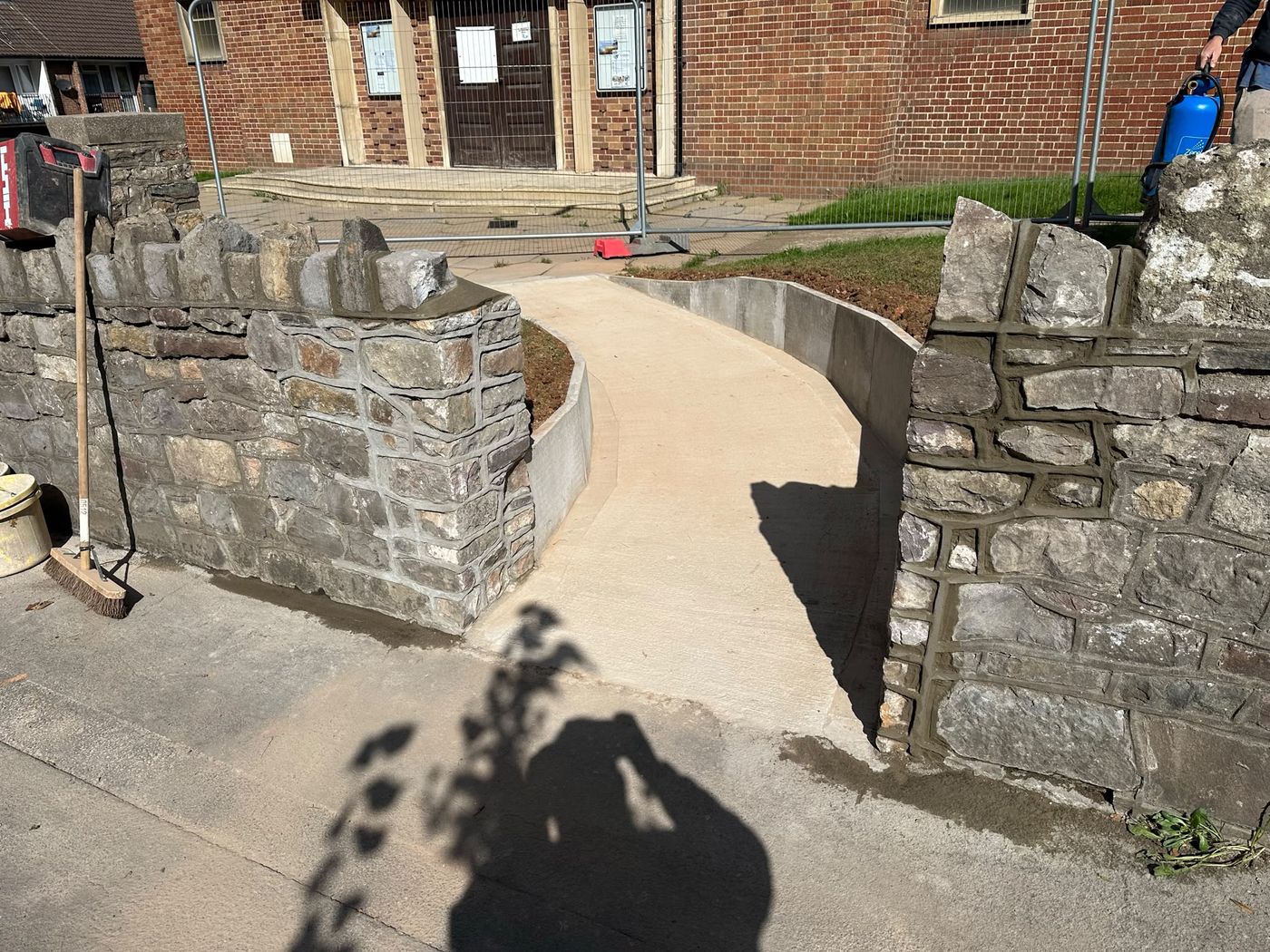
Site brickwork for contractors and developers, priced by the metre and run to programme.
Site workPriced per m²Contractors
See the work →
Commercial
Site brickwork for contractors and developers, priced by the metre and run to programme.
Site workPriced per m²Contractors
See the work →
Get a price
Tell him what you are having done
A photograph of where it is going and a rough size is usually enough to come back with a sensible figure. He will call you.
Or call 07915 607362