
Bricklayer · Bristol and 40 miles around it
Brickwork that still
looks right in
thirty years.
Walls, extensions, patios and repointing across Bristol, South Gloucestershire and the Bath area. Set out square, laid to the bond the job calls for, and pointed in a mortar that suits the wall.
- Brick, block and stone
- Householders and contractors
- Yate based, 40 mile radius
- 22years on the tools,
since 2004 - Bricklayer by tradeTime served, laying since 2004.
- StonemasonDry stone walling, mullions, heads and sills.
- GroundworkerDigs, drainage, foundations and oversite, with his own plant.
- Registered waste carrierSo what comes out of your garden leaves it legally.
- InsuredPublic liability and employers' liability.
The bond
Five ways to lay the same brick
The bond is the pattern the bricks interlock in, and it decides how a wall carries load and how it looks. Every one below is drawn to scale from a standard 215 × 102.5 × 65 mm brick with a 10 mm joint.
What he lays
Ten kinds of job,
three trades
Each one has its own page — what is involved, what it costs to get wrong, and the questions worth asking before anybody starts.
 Brickwork
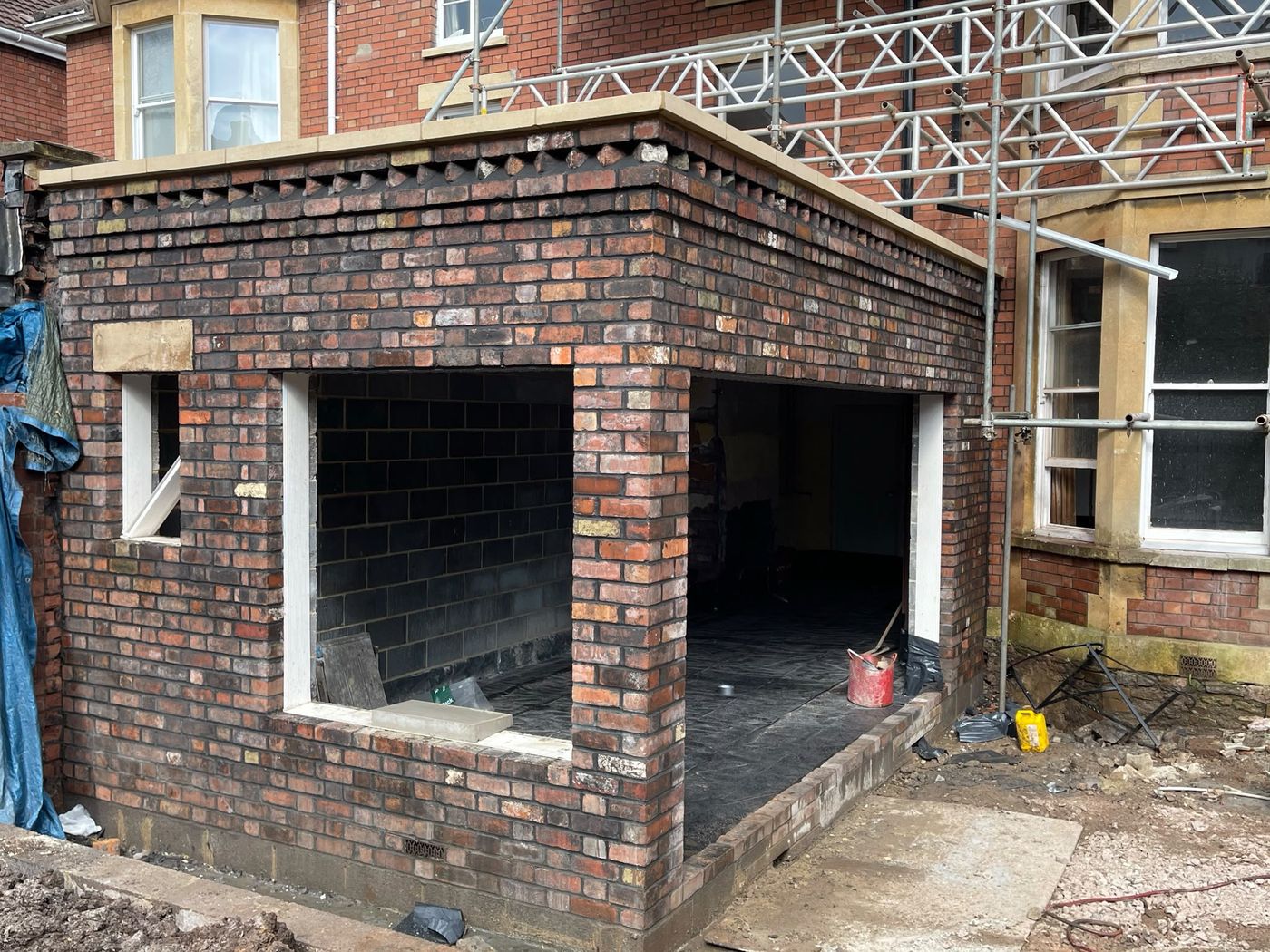
Walls, piers, arches and detail work in facing brick, laid to the bond the job calls for.
Facing brickPiers & archesAny bond
See the work →
Brickwork
Walls, piers, arches and detail work in facing brick, laid to the bond the job calls for.
Facing brickPiers & archesAny bond
See the work →
 Blockwork
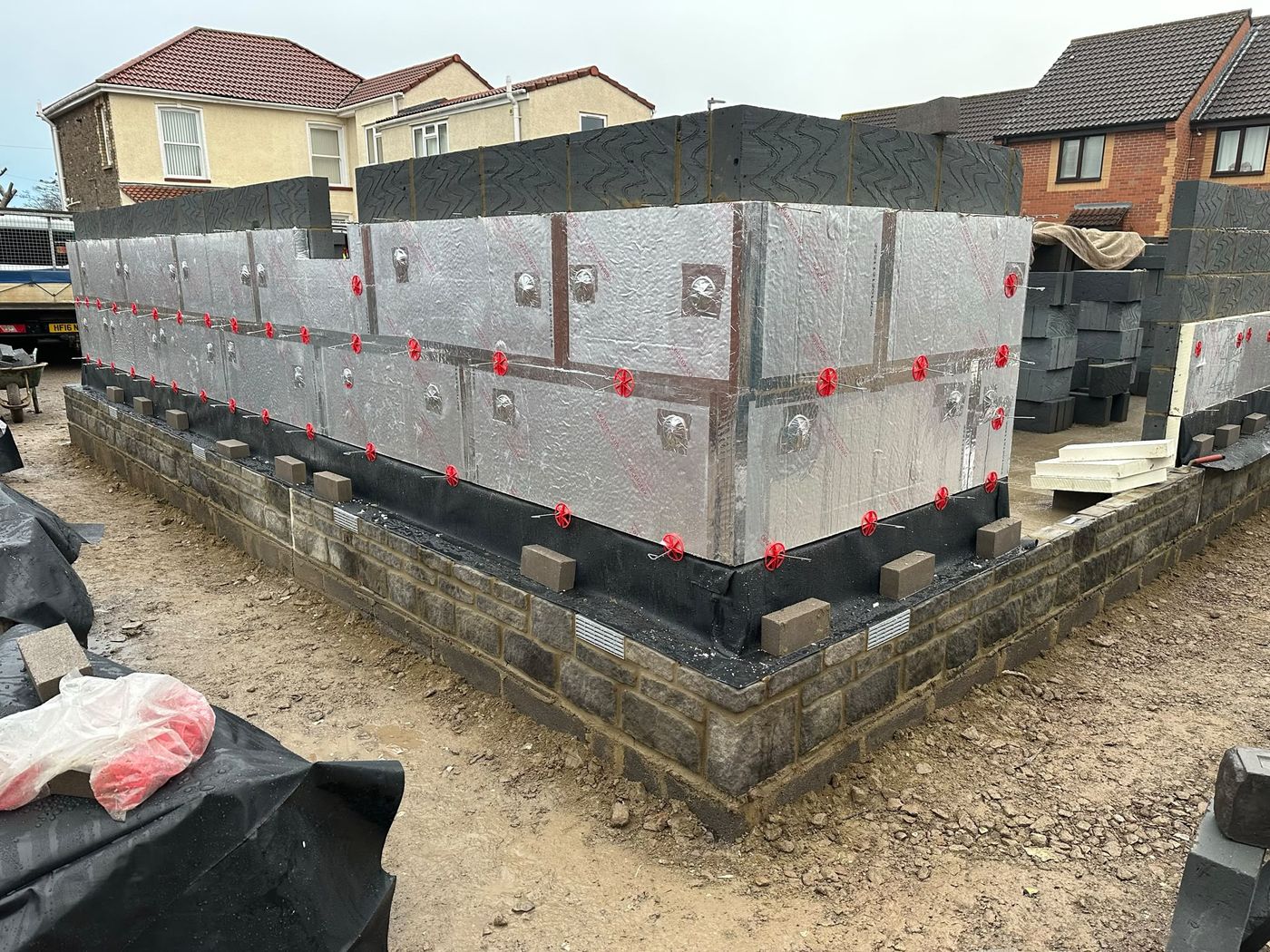
Inner leaves, foundations and retaining walls in dense or lightweight block, laid level and plumb.
Dense & lightweightInner leafRetaining
See the work →
Blockwork
Inner leaves, foundations and retaining walls in dense or lightweight block, laid level and plumb.
Dense & lightweightInner leafRetaining
See the work →
 Stonework
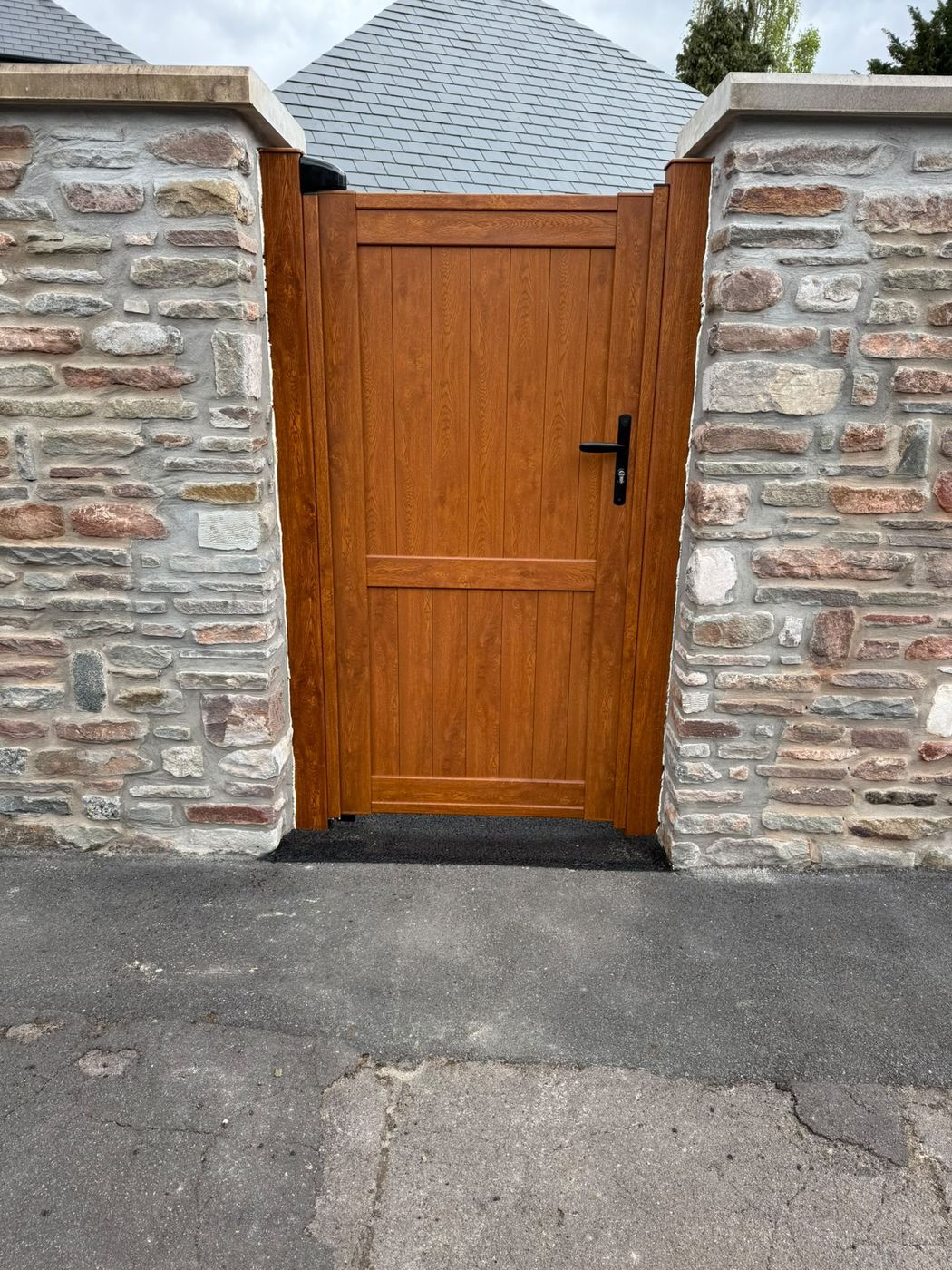
Walling, repairs and features, coursed or random — and the masonry proper: dry stone, mullions, heads and sills.
Dry stone wallingMullions, heads & sillsLime mortar
See the work →
Stonework
Walling, repairs and features, coursed or random — and the masonry proper: dry stone, mullions, heads and sills.
Dry stone wallingMullions, heads & sillsLime mortar
See the work →
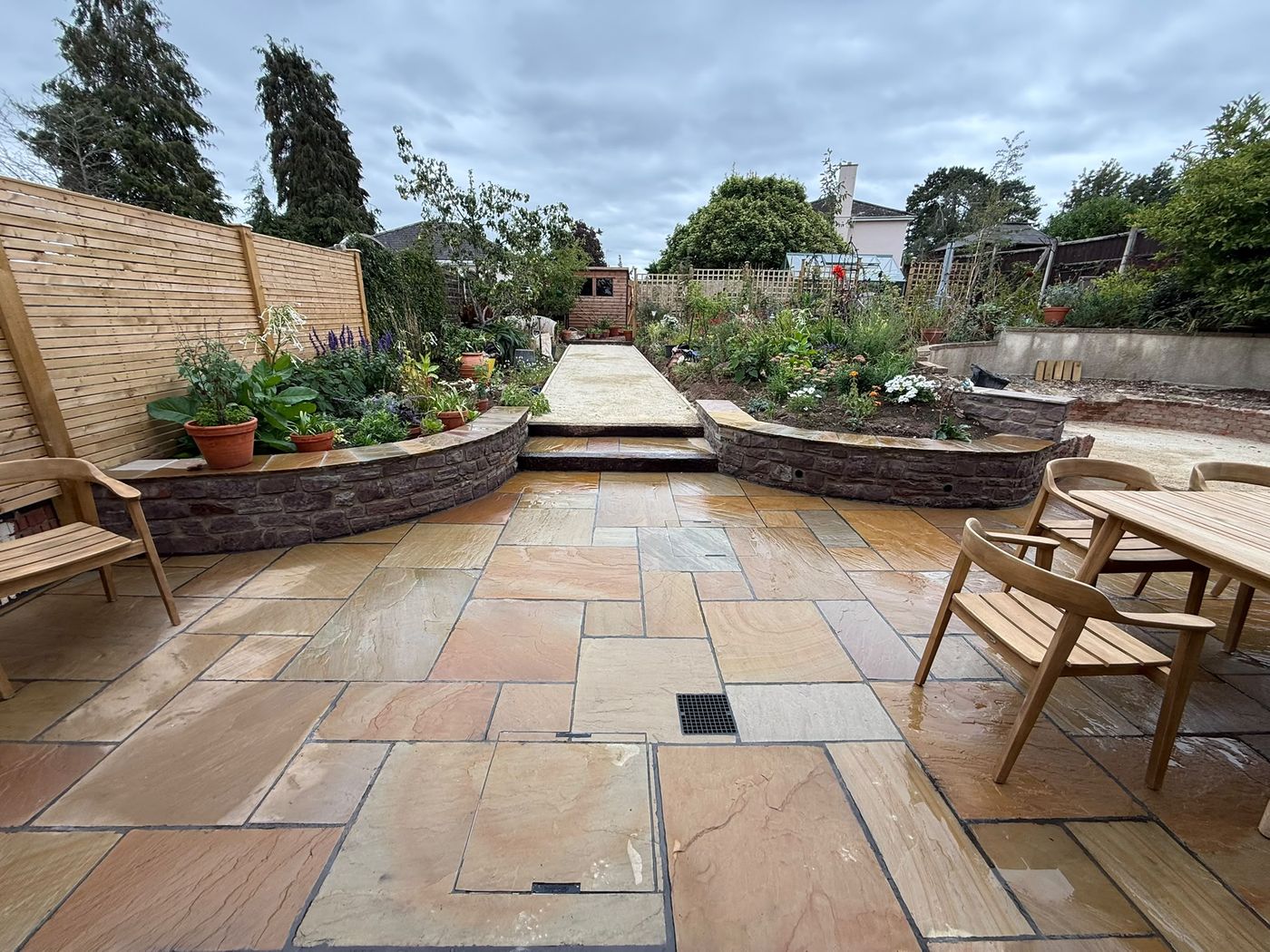 Patios & paving
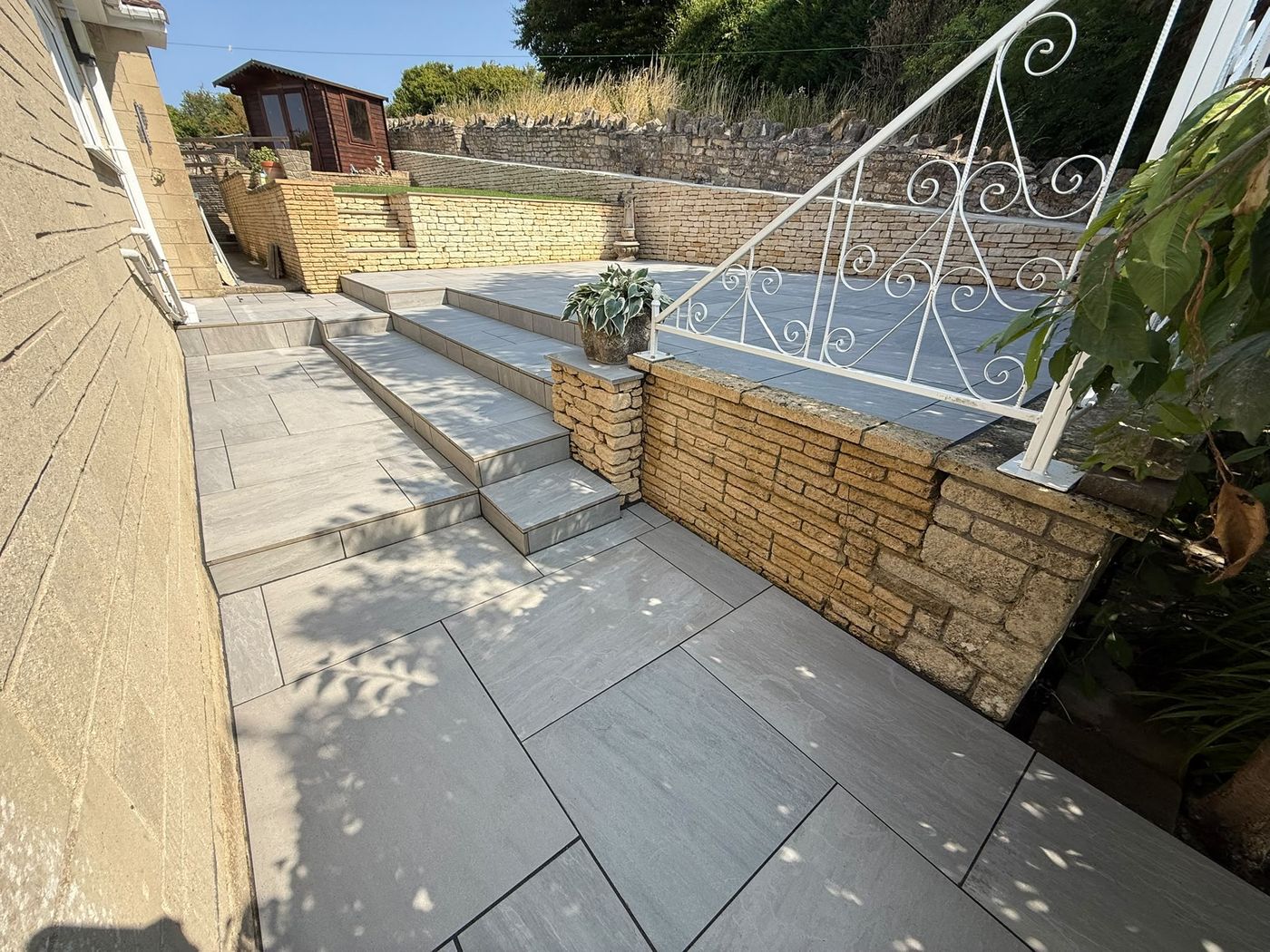
Patios, paths and edging, set out square and laid to falls so the water goes where it should.
Laid to fallsEdgingPaths & steps
See the work →
Patios & paving
Patios, paths and edging, set out square and laid to falls so the water goes where it should.
Laid to fallsEdgingPaths & steps
See the work →
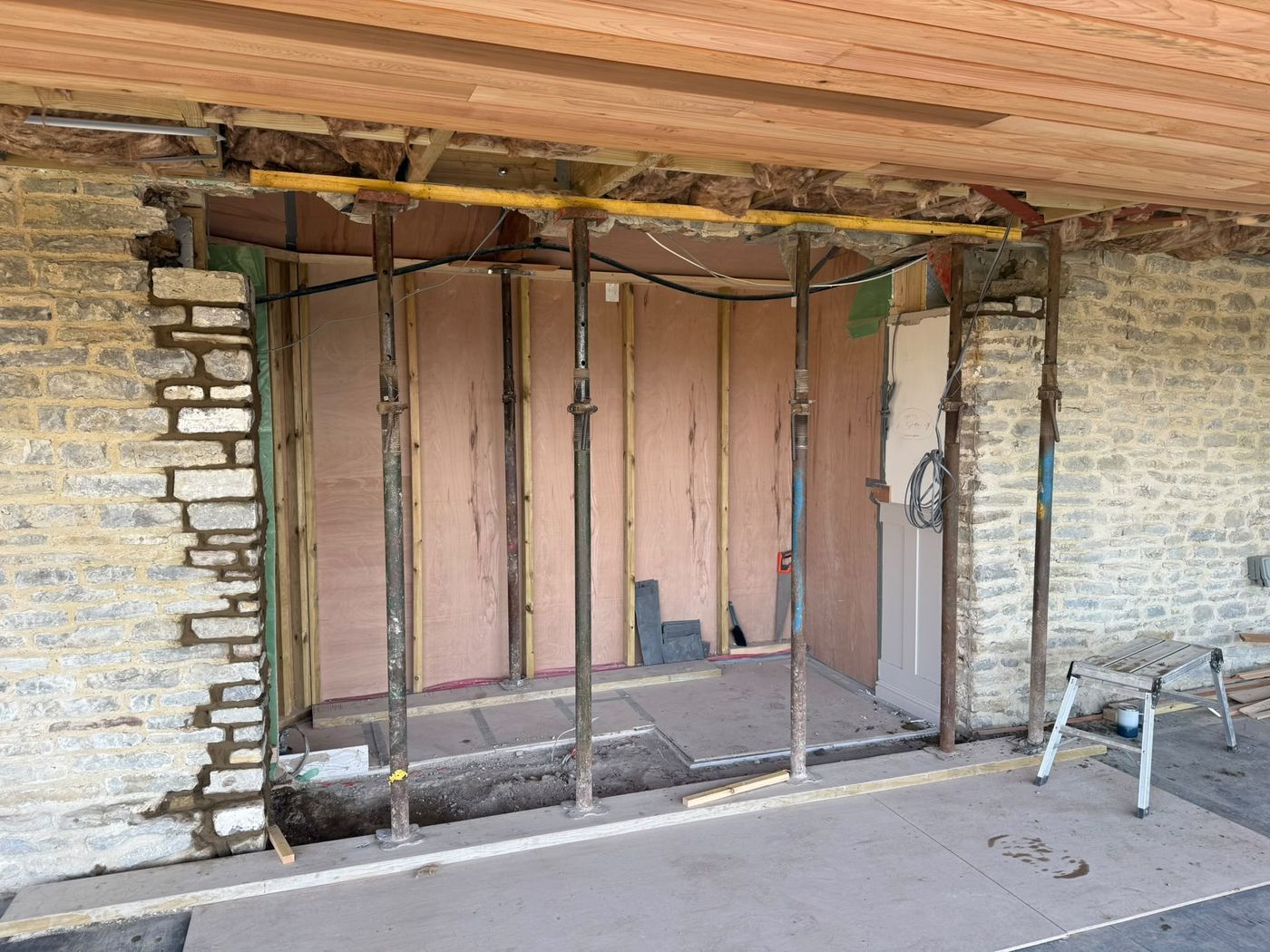 Extensions
The brick and block shell of an extension, from the footings to the wall plate.
Footings to plateCavity workLintels
See the work →
Extensions
The brick and block shell of an extension, from the footings to the wall plate.
Footings to plateCavity workLintels
See the work →
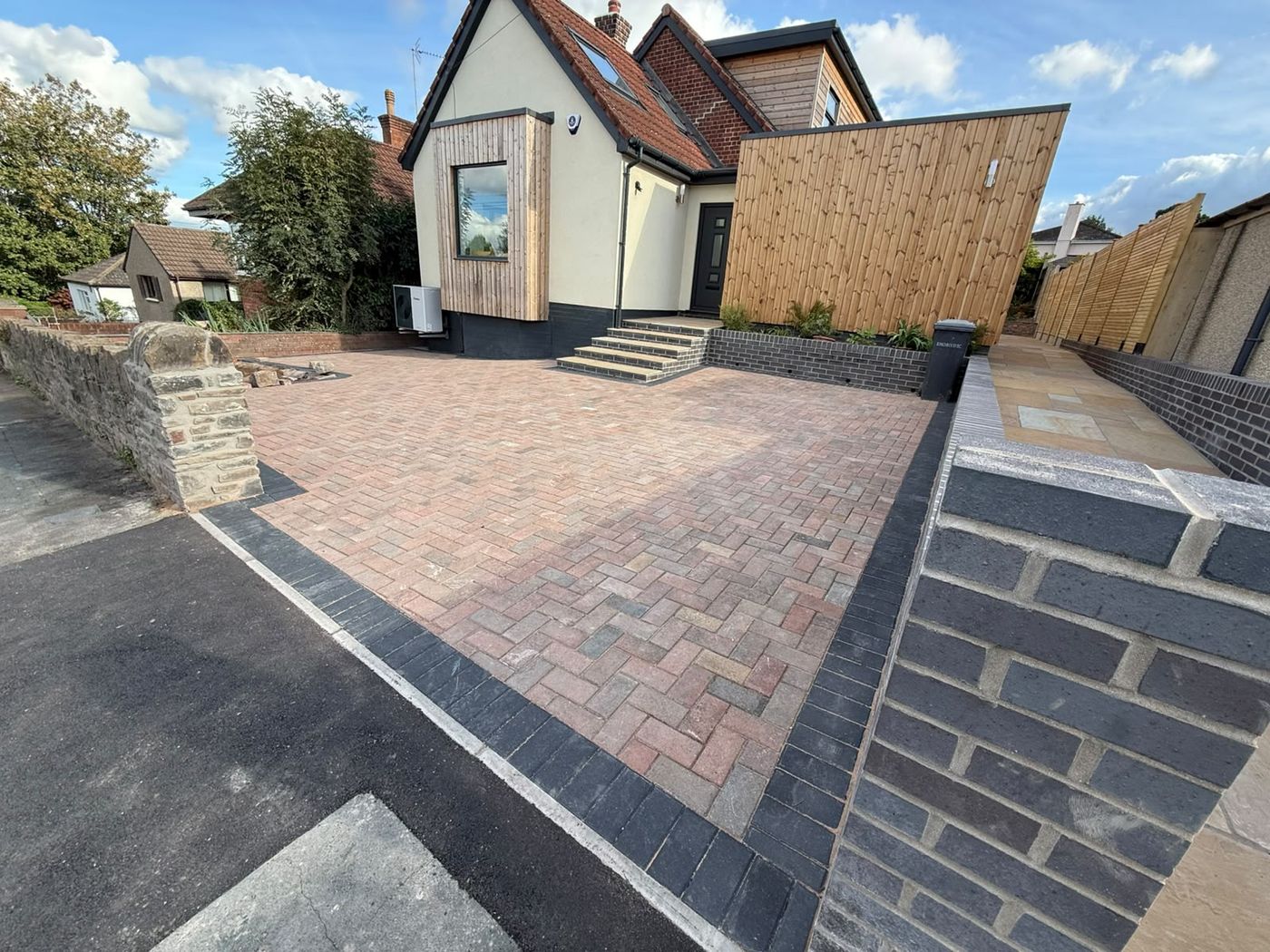 New build
Plot brickwork for builders and self-builders, by the metre or by the job.
Plot workBy the metreTo programme
See the work →
New build
Plot brickwork for builders and self-builders, by the metre or by the job.
Plot workBy the metreTo programme
See the work →
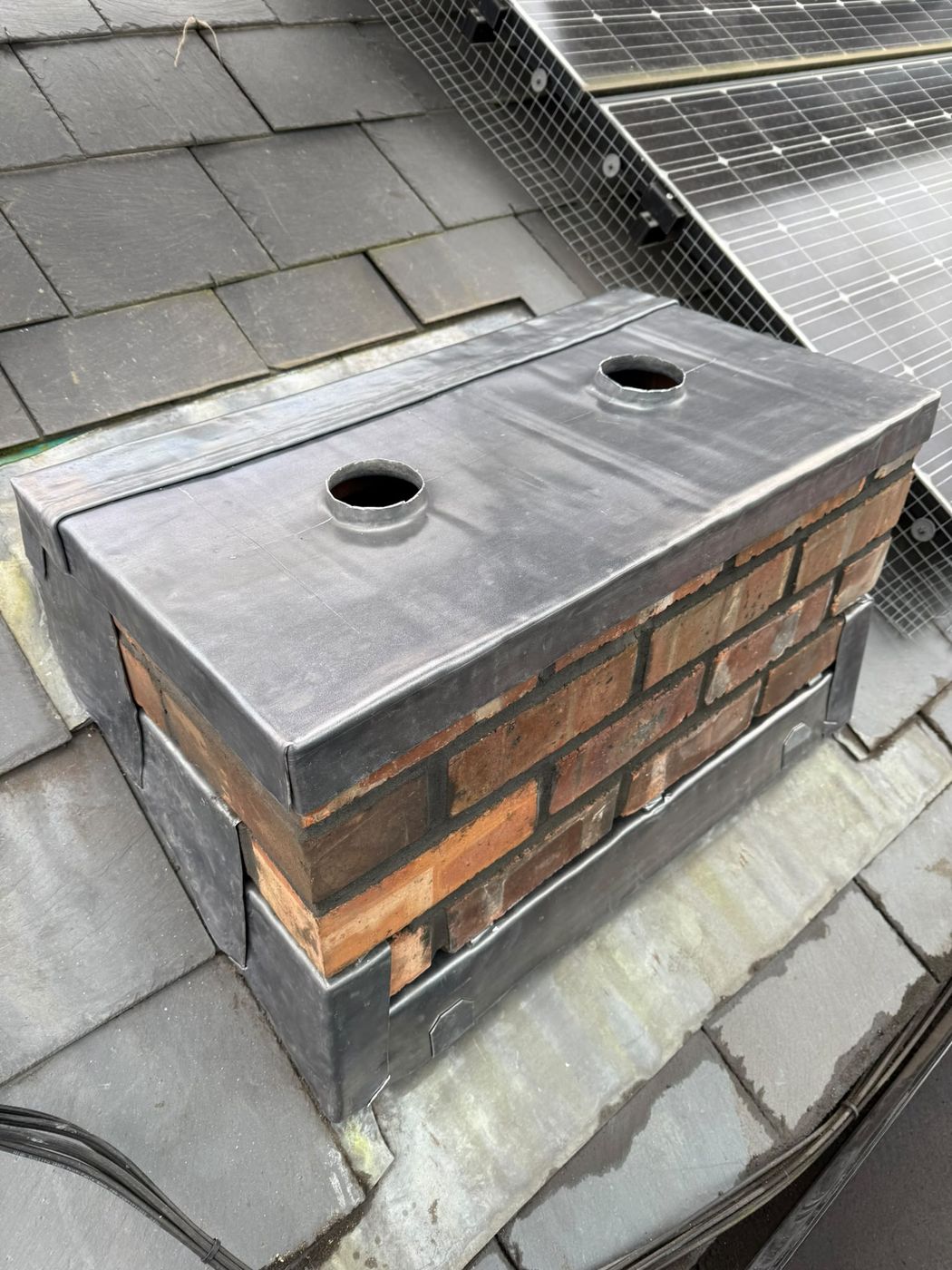 Repointing
Old joints raked out and pointed again in a mortar that suits the wall, not one that damages it.
Raked outMatched mortarLime or cement
See the work →
Repointing
Old joints raked out and pointed again in a mortar that suits the wall, not one that damages it.
Raked outMatched mortarLime or cement
See the work →
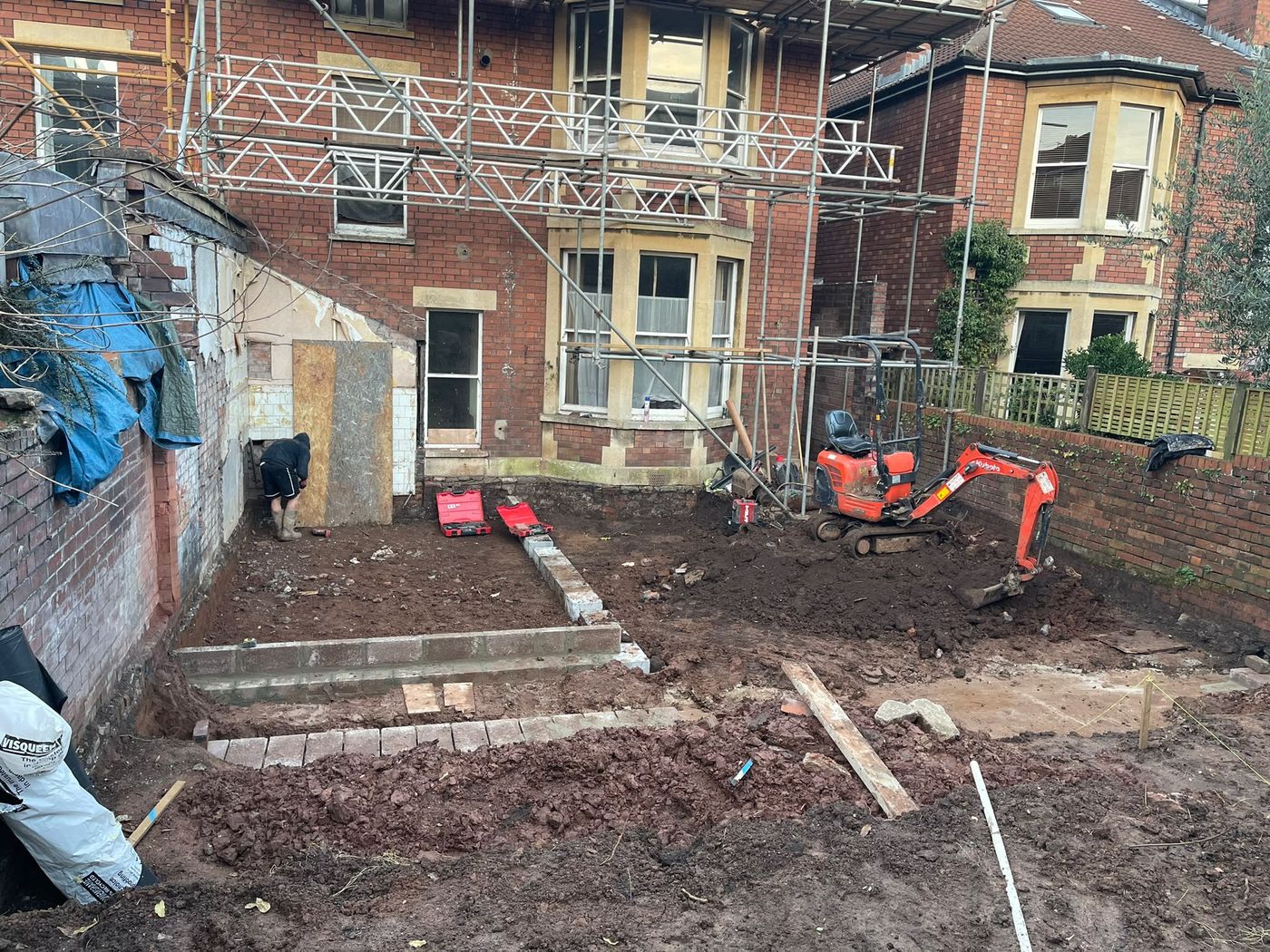 Groundworks
Digs, drainage, foundations and oversite — his own 360, telehandler and dumper, and a waste carrier licence to take it away.
360, telehandler, dumperDrainage & foundationsWaste carrier
See the work →
Groundworks
Digs, drainage, foundations and oversite — his own 360, telehandler and dumper, and a waste carrier licence to take it away.
360, telehandler, dumperDrainage & foundationsWaste carrier
See the work →
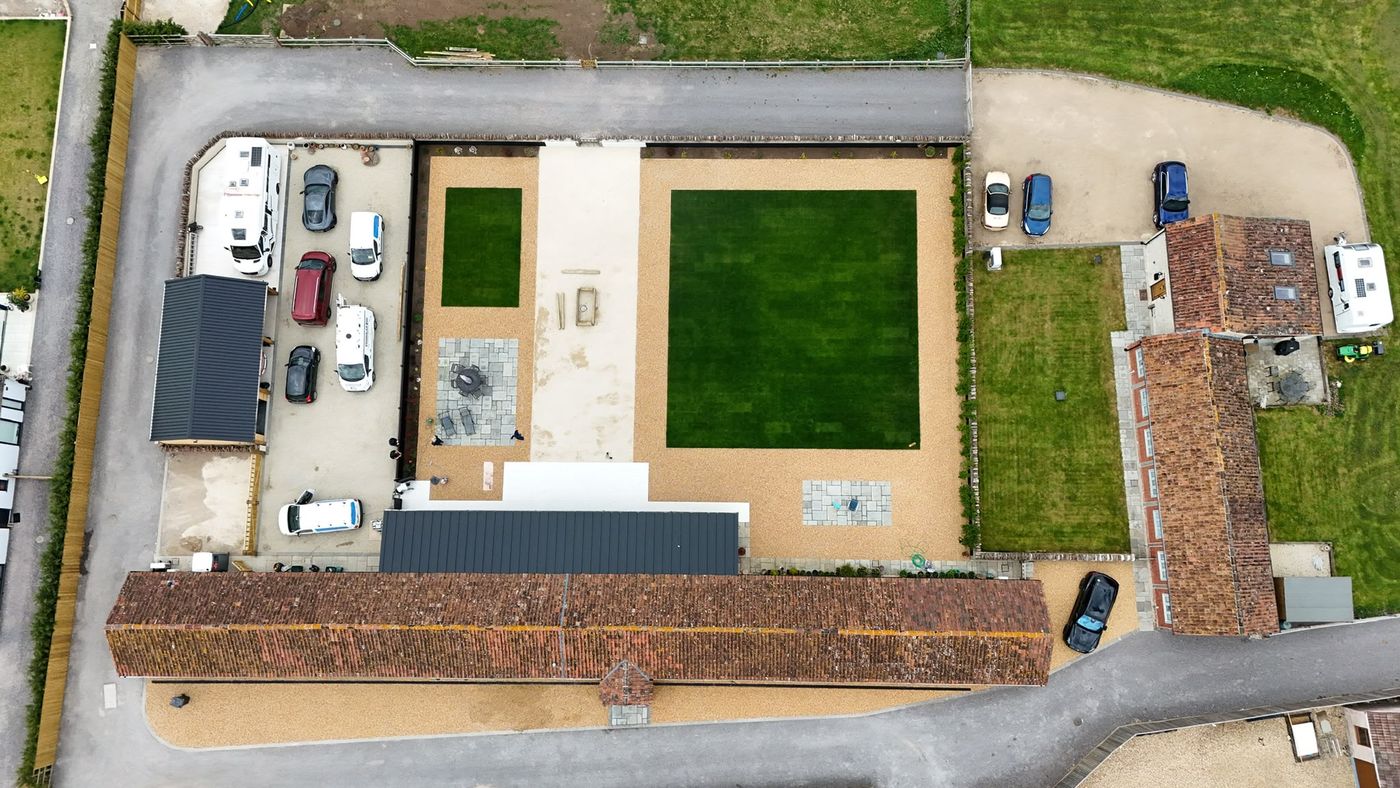 Whole projects
Derelict house to turnkey. Groundwork, shell, trades booked and run, keys handed back.
Derelict to turnkeyTrades booked and runOne person to ring
See the work →
Whole projects
Derelict house to turnkey. Groundwork, shell, trades booked and run, keys handed back.
Derelict to turnkeyTrades booked and runOne person to ring
See the work →
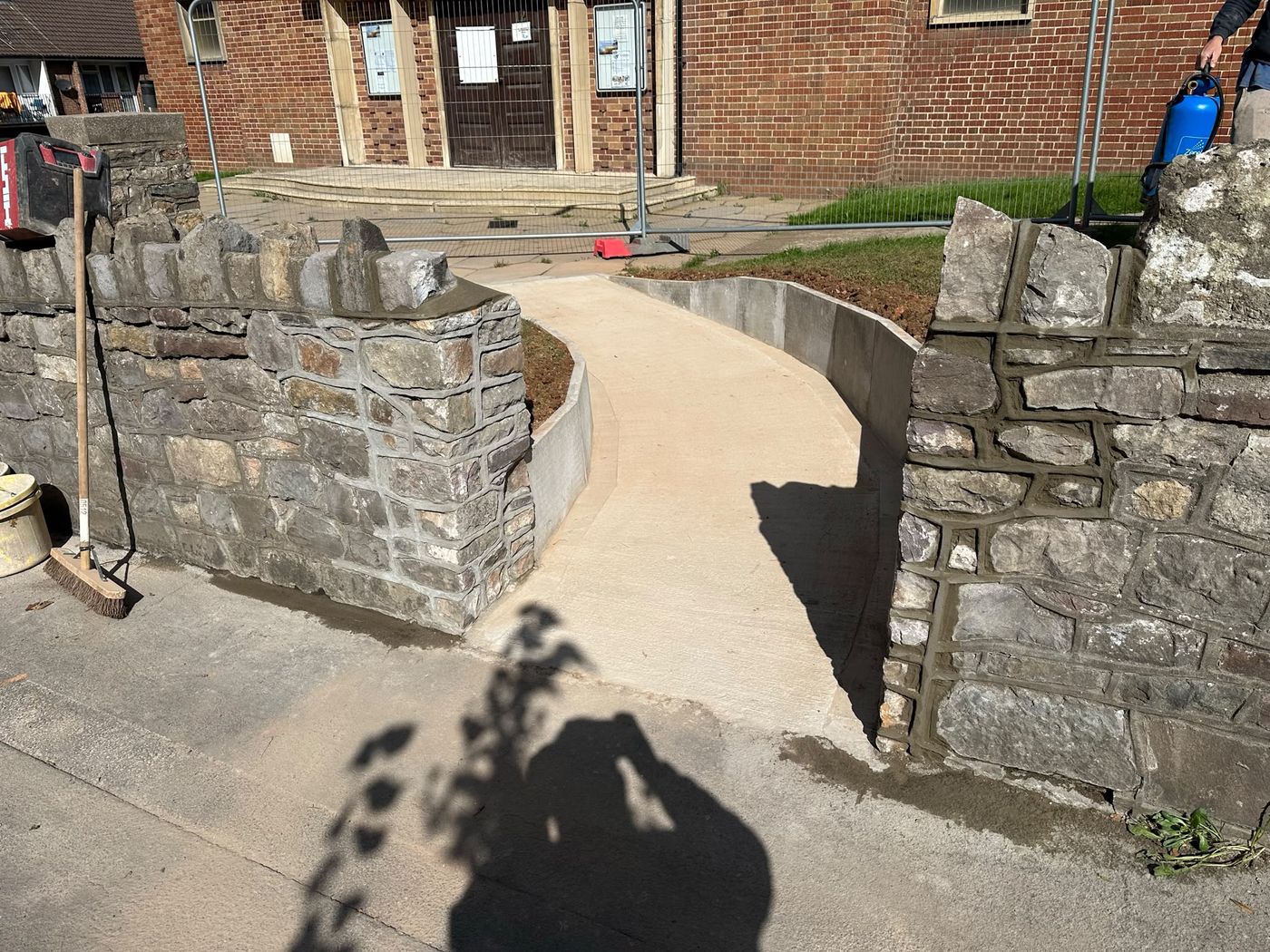 Commercial
Site brickwork for contractors and developers, priced by the metre and run to programme.
Site workPriced per m²Contractors
See the work →
Commercial
Site brickwork for contractors and developers, priced by the metre and run to programme.
Site workPriced per m²Contractors
See the work →
Before you ring anyone
How many bricks is that wall?
Measure the face of the wall and this works the rest out — bricks, blocks, courses and the 5% every bricklayer orders over for cuts and breakages. It is the standard arithmetic, not a quote: a square metre of half-brick wall is 60 bricks and a square metre of blockwork is 10.
Bring the numbers with you when you call and the conversation starts in the right place.
- Wall face
- 10.8 m²
- Bricks
- 648
- With 5% over
- 681
- Courses
- 24
Half-brick (single skin) wall. A one-brick wall is double these figures. Openings are not taken off.
The joint
The finish on the mortar is not decoration
It decides whether the wall sheds rain or holds it. Here are the five finishes in section, cut through the joint between two bricks — the shape you are looking at from the side.
Bucket handle
Pressed into a neat concave curve with a jointer.
Compacts the mortar as it is formed, so it sheds water well. The finish on most modern housing.
Weather struck
Angled back at the top so the face overhangs.
Throws rain clear of the joint. Traditional, and the right answer on an exposed elevation.
Flush
Finished level with the face of the brick.
Quiet and even. Suits handmade and reclaimed brick, where a pressed joint would look wrong.
Recessed
Raked back a few millimetres, square in section.
Throws a shadow and shows the brick off. Needs a frost-resistant brick, because it holds water.
Struck
Angled the other way — the top of the joint stands proud.
Internal work and older buildings. Not for weather, since it holds the rain against the brick.
The work
Garden walls to gable ends
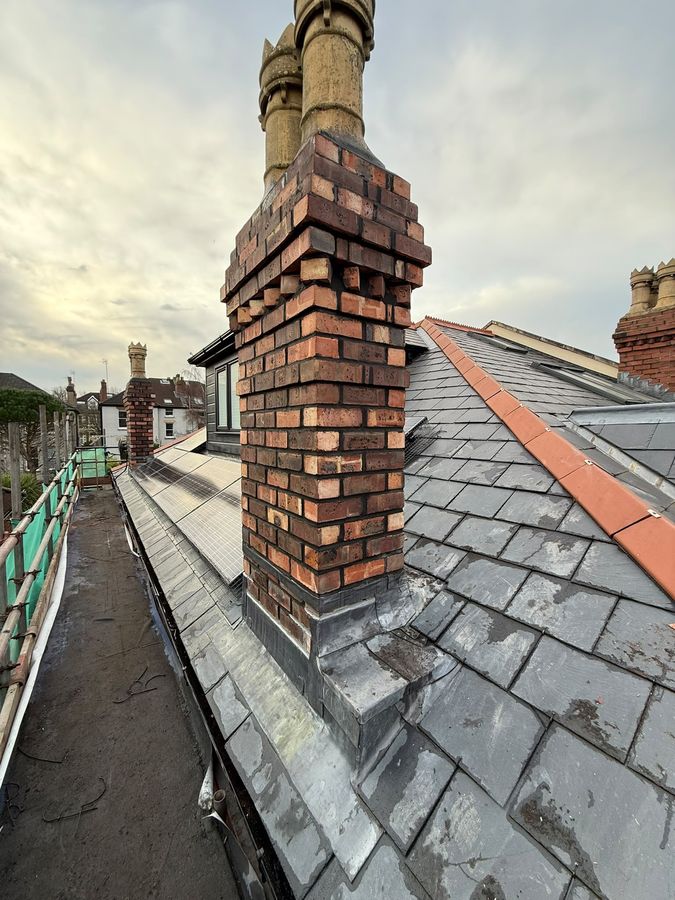
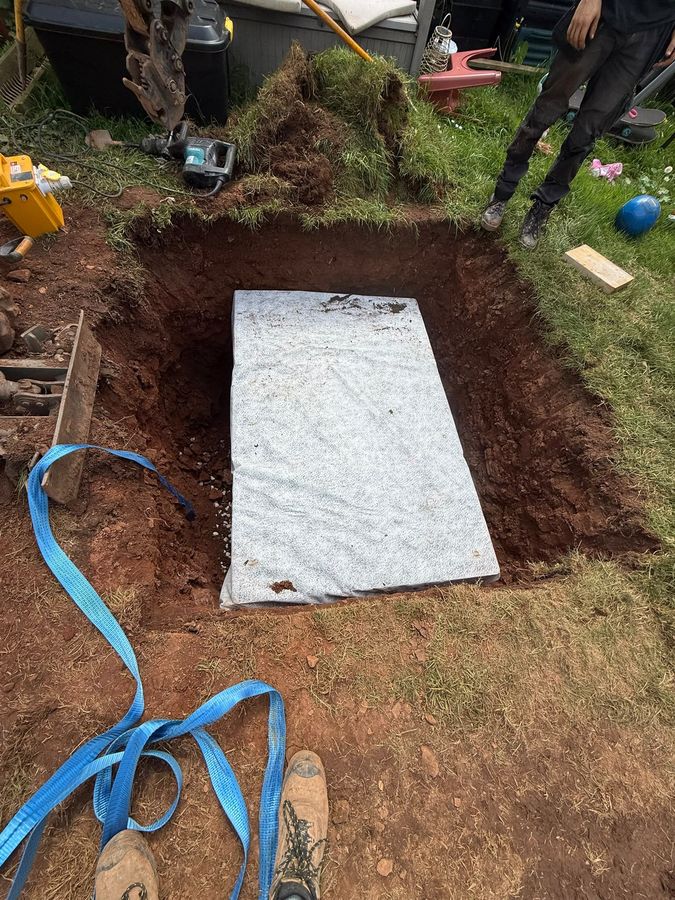
All his own: a chimney stack rebuilt, a wall in facing brick, two patios, an access ramp between new stone walls, and a hole in the ground that most people never see the inside of.
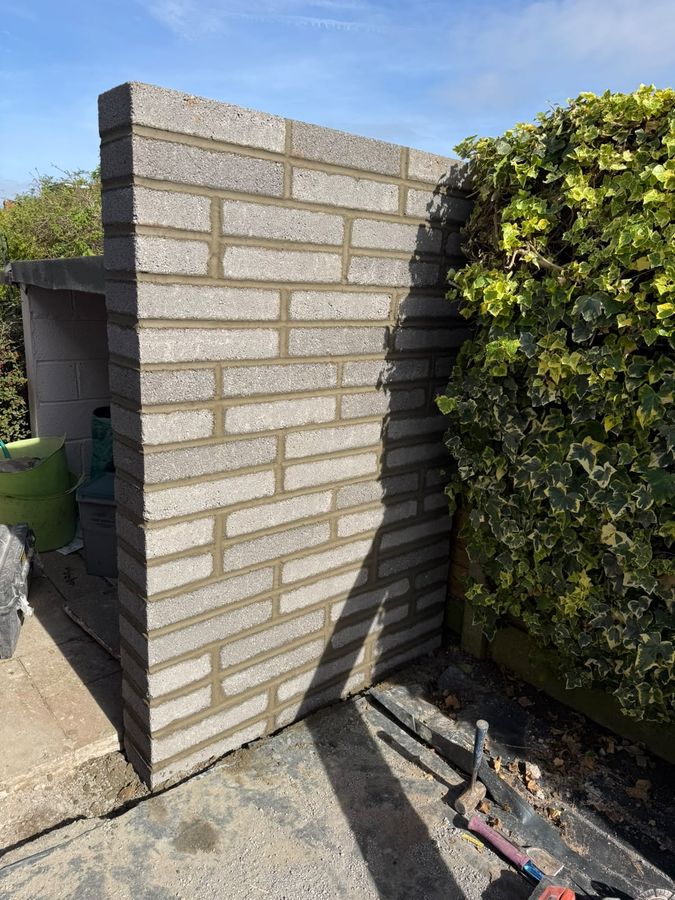
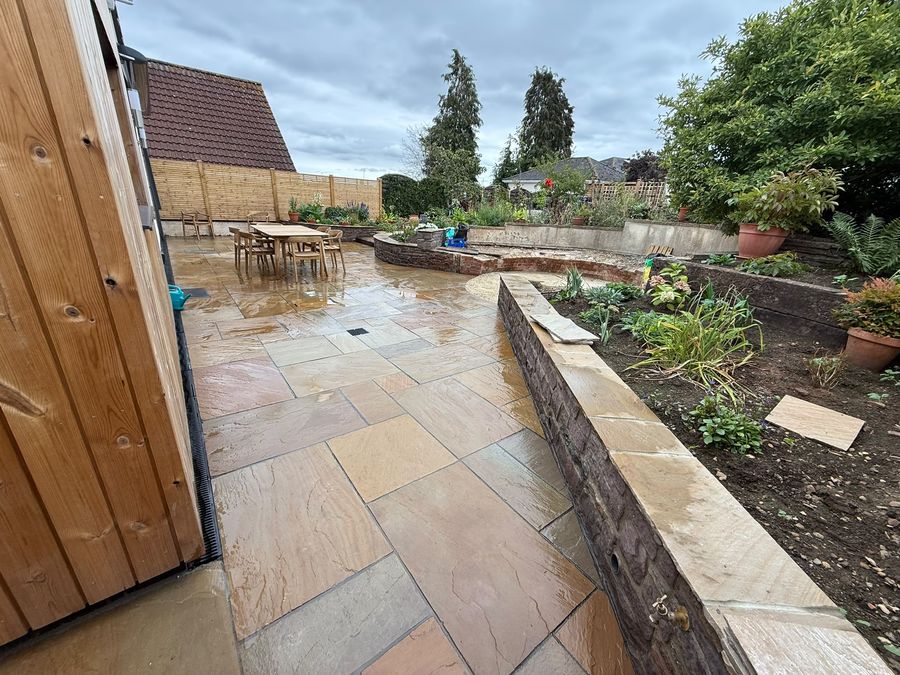
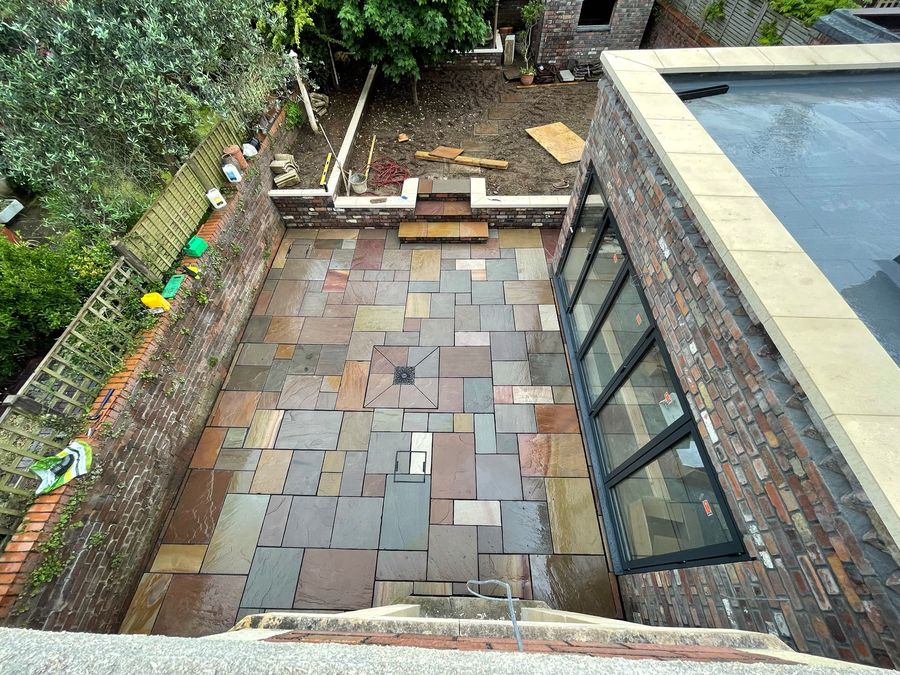
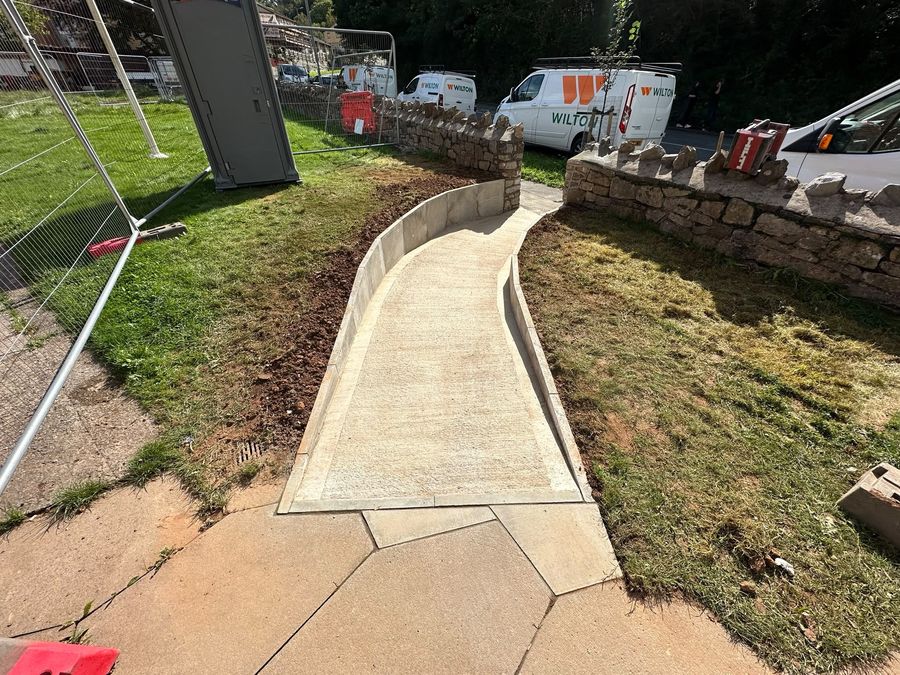
How far
40 miles of Yate
That is the whole of Bristol and South Gloucestershire, and it reaches Bath, Gloucester, Chippenham and the coast. Put your postcode in and it will tell you the distance.
- Bristol
- Yate
- Chipping Sodbury
- Thornbury
- Bradley Stoke
- Filton
- Keynsham
- Kingswood
- Bath
- Chippenham
- Gloucester
- Stroud
- Weston-super-Mare
- Cheltenham
- Trowbridge
- Clevedon
Asked often
Questions worth asking any bricklayer
If yours is not here, ring and ask it.
How far will you travel?
Up to 40 miles of Bristol. That covers the whole of the city, South Gloucestershire and the Bath area, and reaches Gloucester, Chippenham and Weston-super-Mare. Put your postcode in the checker on this page and it will tell you.
Can you match the brick on my house?
Usually, yes. Brick is matched on size, colour, texture and the bond it was laid in, and on an older house the mortar matters as much as the brick — a modern cement mix beside a soft Victorian brick does damage. Send a photograph of the wall and it is normally obvious what it is.
What is repointing, and does my wall need it?
Repointing is raking the old mortar out of the joints and filling them again. A wall needs it when the joints are soft enough to rake with a screwdriver, are crumbling out, or have been pointed over in hard cement that is now pushing the faces off the bricks.
Which bond will my wall be laid in?
It depends on the job. A half-brick skin is stretcher bond; a one-brick garden wall that shows both faces is usually Flemish; anything carrying load is English. The bond viewer on this page draws each one to scale.
How many bricks will my wall take?
A square metre of half-brick wall is about 60 bricks, and a square metre of blockwork is 10 blocks. The calculator on this page does it from your measurements and adds the usual 5% for cuts and breakages.
Do you work for builders as well as householders?
Yes. Site brickwork for contractors and developers is priced by the metre and run to programme, and plot work for self-builders is taken by the metre or by the job.
Get a price
Tell him what you are having done
A photograph of where it is going and a rough size is usually enough to come back with a sensible figure. He will call you.
Or call 07915 607362